A three-video Seedance 2.0 sequence: a 16-count football freestyle choreographed beat-by-beat, a kick that smashes a London terrace wide open, and the furious family who live inside it. Four reference images, four prompts, one continuous story — including the prompt-page trick that lets you feed a prompt too big for the text box straight into the model as an image.
This is a full mini-film built from three chained Seedance 2.0 generations. Video 1 is a precision piece — a 10-second freestyle routine where all 16 moves are choreographed to a timeline, so the model performs your routine instead of improvising one. Videos 2 and 3 are extension prompts that pick up where the last clip ended: the ball obliterates the house behind the court, revealing a doll's-house cross-section of the family inside, who then fight back. Everything holds together because all three prompts call back to the same four reference images.
▸A 16-count freestyle routine timed beat-by-beat across 10 seconds
▸The prompt-page trick — feeding an oversized prompt in as an image
▸Extension prompts that continue one scene across multiple videos
▸Cinematic destruction with an interior cross-section reveal
▸A physics-fix regeneration prompt for when ball contact drifts
Seedance 2.0
Via Dreamina or Higgsfield — multi-reference video generation with extensions
4 Reference Images
Character, choreography sheet, ball and court — generate or photograph them
Back2Life AI Studio
Generate your reference images right on this site with your credits
1
Build Your Reference Stack
Four images that lock the whole sequence together
1
Image 1 — Character. A clean full-body shot of your character in the exact outfit for the video. A character sheet from Tutorial #028 is ideal — one look, head to toe, sharp face.
2
Image 2 — Choreography sheet. The star of this tutorial: the full 16-count prompt rendered as a page — white text on a black background (see Step 2). Seedance reads the moves off it in order.
3
Image 3 — Ball. A product-style shot of your ball. A custom branded ball (like our Back2Life ball) survives every touch when it's supplied as its own reference instead of described in text.
4
Image 4 — Court. A wide establishing frame of the location. Ours is a London concrete cage court with the mural wall — the same wall that gets demolished in Video 2, so make sure the building you want to destroy is in shot.
💡
Pro tip: Whatever is in the court reference is what the model will destroy. Frame the establishing shot so the sacrificial building sits behind the goal line — that gives the wall-smash kick a natural direction of travel.
2
The Prompt-Page Trick
When your prompt is bigger than the text box
1
A 16-move timeline plus character, ball, location, framing, camera and music direction blows straight past most prompt-length limits. The fix: lay the whole prompt out as a page — white text, black background, bold section headers — and export it as an image.
2
Upload that page as one of your reference images. Seedance 2.0 reads text from reference images remarkably well — it treats the page as the brief and the timeline as the shot list.
3
Keep the short text prompt pointing at it: "follow the 16 moves from Image 2 in order". The image carries the detail; the text prompt carries the instruction to obey it.
The choreography sheet — the entire routine as one readable page
Bold headers, one beat pair per line, no decoration. The cleaner the page, the better the model reads it.
3
Configure Your Settings
Same settings for all three generations
Setting
Value
Why
Model
Seedance 2.0
Multi-image reference plus scene extension is the whole workflow
Duration
10 seconds
16 counts at 1.2s per pair lands exactly on 10s — the timeline is built for it
Aspect Ratio
16:9
Full-body framing plus a two-storey house needs the width
Resolution
1080p
Debris, dust and the interior reveal all reward the detail
References
4 images
Character, choreography sheet, ball, court — attach all four to every generation
4
Video 1 — The 16-Count Freestyle
The main prompt: a routine, not a vibe
1
Attach all four references and paste the prompt below. The three things that make it work: numbered moves mapped to timestamps, hard full-body framing rules, and every element pinned to a reference image.
2
Audit the result against the timeline — you're checking that moves happen in order, not that each lands on its exact frame. Order and flow are what sell the routine.
📋 Video 1 — 16-Count Freestyle Master Prompt
Create a 10-second cinematic realistic football freestyle video with 16 counts, following the 16 moves from Image 2 (the choreography sheet) in order.

Character: adult English male in his early 40s, athletic build, short cropped grey hair, grey stubble beard, wearing the same white England home jersey with navy trim and number 10, navy blue shorts, white socks and black football boots from Image 1. Keep his identity, outfit and proportions consistent.

Ball: use the same black-and-white freestyle football from Image 3.

Location: use the same London street football court from Image 4: outdoor concrete cage court in London England, tall wire fences, graffiti, red brick council estate buildings and terraced houses in the background, overcast British daylight with soft grey skies.

The freestyler must remain fully visible in full body at all times, from head to toe, with no cropped framing. Keep him centered in frame as much as possible, mostly facing the camera, staying near the middle of the court. The camera should follow him smoothly while always keeping his entire body and the ball visible.

Timeline / 16 counts / 10s
0.0-1.2s — 1 toe juggle / 2 around the world
1.2-2.4s — 3 crossover step / 4 heel flick
2.4-3.6s — 5 neck stall / 6 shoulder stall
3.6-4.8s — 7 sole control / 8 inside touch
4.8-6.0s — 9 outside touch / 10 ground control
6.0-7.2s — 11 roll and pull / 12 spin turn
7.2-8.4s — 13 toe stall / 14 hop over
8.4-10.0s — 15 around the leg / 16 style finish with the ball stopped under his foot

The routine should feel like one continuous freestyle combo, fast, fluid and connected. Use cinematic realism, natural ball physics, realistic body mechanics and smooth transitions.

Camera: mostly wide or medium-wide full-body framing, gentle handheld tracking, minimal reframing, no close-ups that crop the body, no extreme angles, always keep the full character visible.

Music: energetic London hip hop beat, gritty UK drums, urban street vibe.
🎯
Why 16 counts? Dancers and freestylers count in 8s and 16s for a reason — it forces even pacing. Two moves per 1.2-second beat keeps the routine fast without the model rushing or padding.
5
The Physics-Fix Regeneration
When the ball floats, tighten the contact
1
The most common failure: the ball hovers near the boot instead of touching it. Don't re-roll the same prompt — regenerate with a version that makes ball-foot contact the headline instruction.
2
The word "Crucial:" in front of the physics line genuinely shifts the model's priorities. Name the specific move that broke and describe what a clean version looks like.
📋 Refined Regeneration Prompt (Ball Physics)
Cinematic realistic football freestyle video with perfect ball-foot contact and natural physics. Subject: The adult English male from Image 1 (athletic, grey cropped hair, England jersey #10). Action: A continuous 16-move freestyle combo following Image 2 exactly. Crucial: Ensure the ball physically touches his foot during every juggle, flick, and stall. Every stall must be a single, fluid, anatomically realistic motion with the character landing cleanly. Ball: The black-and-white ball from Image 3. Scene: The London street court from Image 4. Camera: Smooth full-body tracking, keeping his entire form and the ball centered and visible head-to-toe throughout. Style: High-fidelity realism, gritty urban lighting, energetic London hip hop audio.
6
Video 2 — Wall Smash & Interior Reveal
Extend the scene, demolish the house
1
Open the prompt with "Extension of the football freestyle scene, continuing from the last 3 seconds of Video 1" — that one line carries character position, lighting and energy across the cut.
2
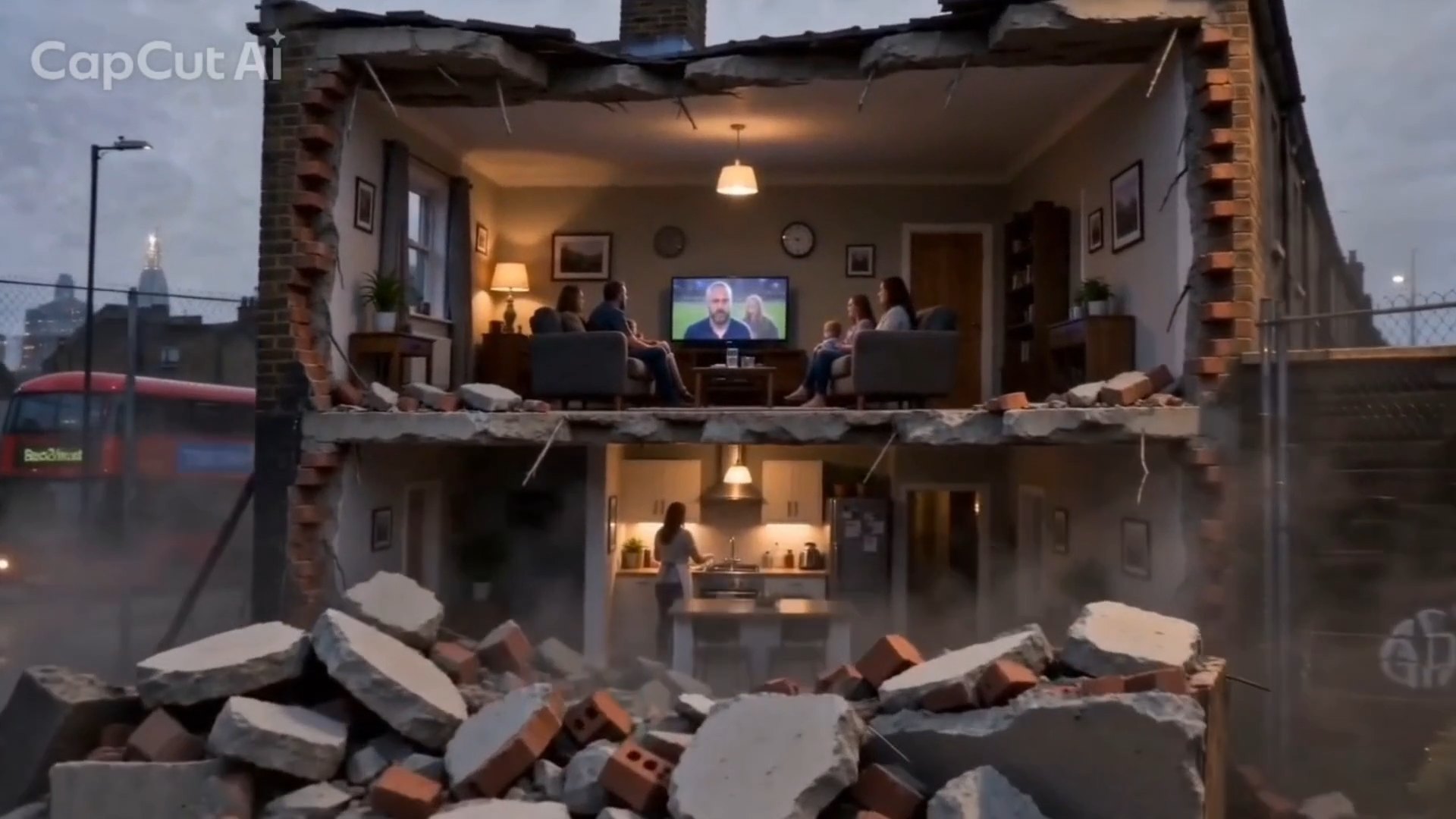
The interior cross-section is written as a fact, not a wish: "through the wreckage, we see a cross-section of the house" — then furnish it. Family upstairs watching the football, mum in the kitchen below. Those two details become the entire cast of Video 3.
📋 Video 2 — Wall Smash & Interior Reveal
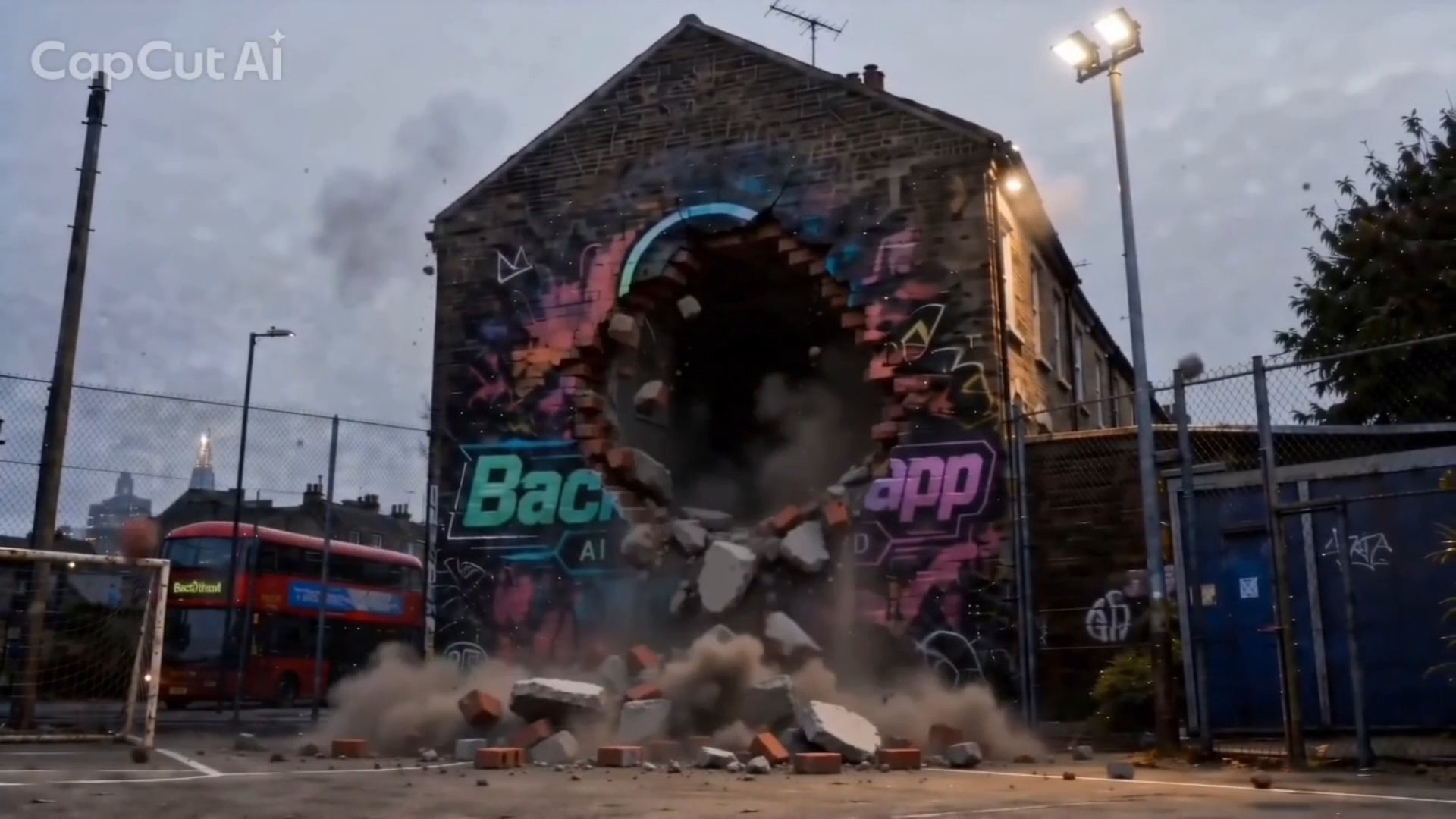
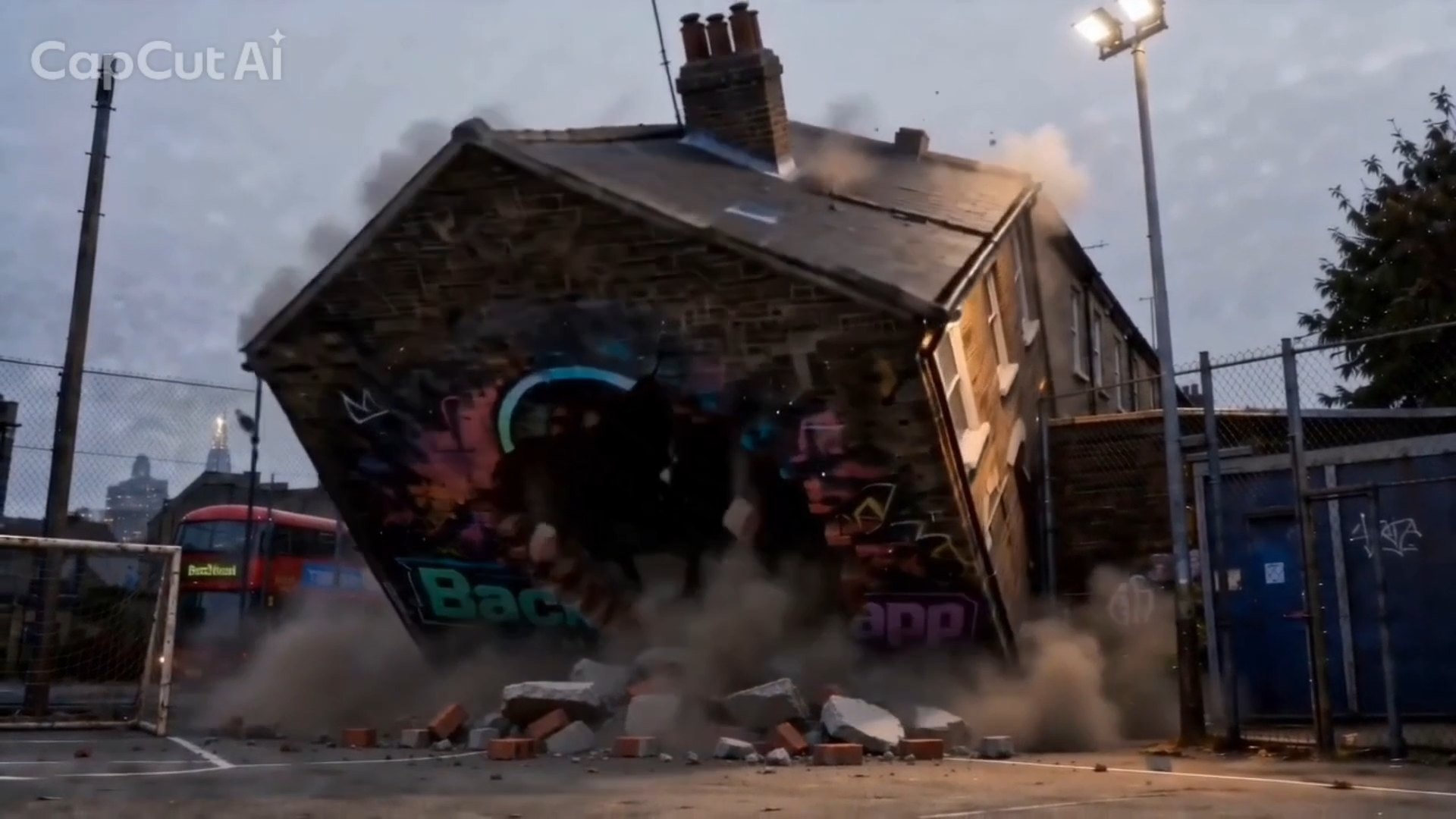
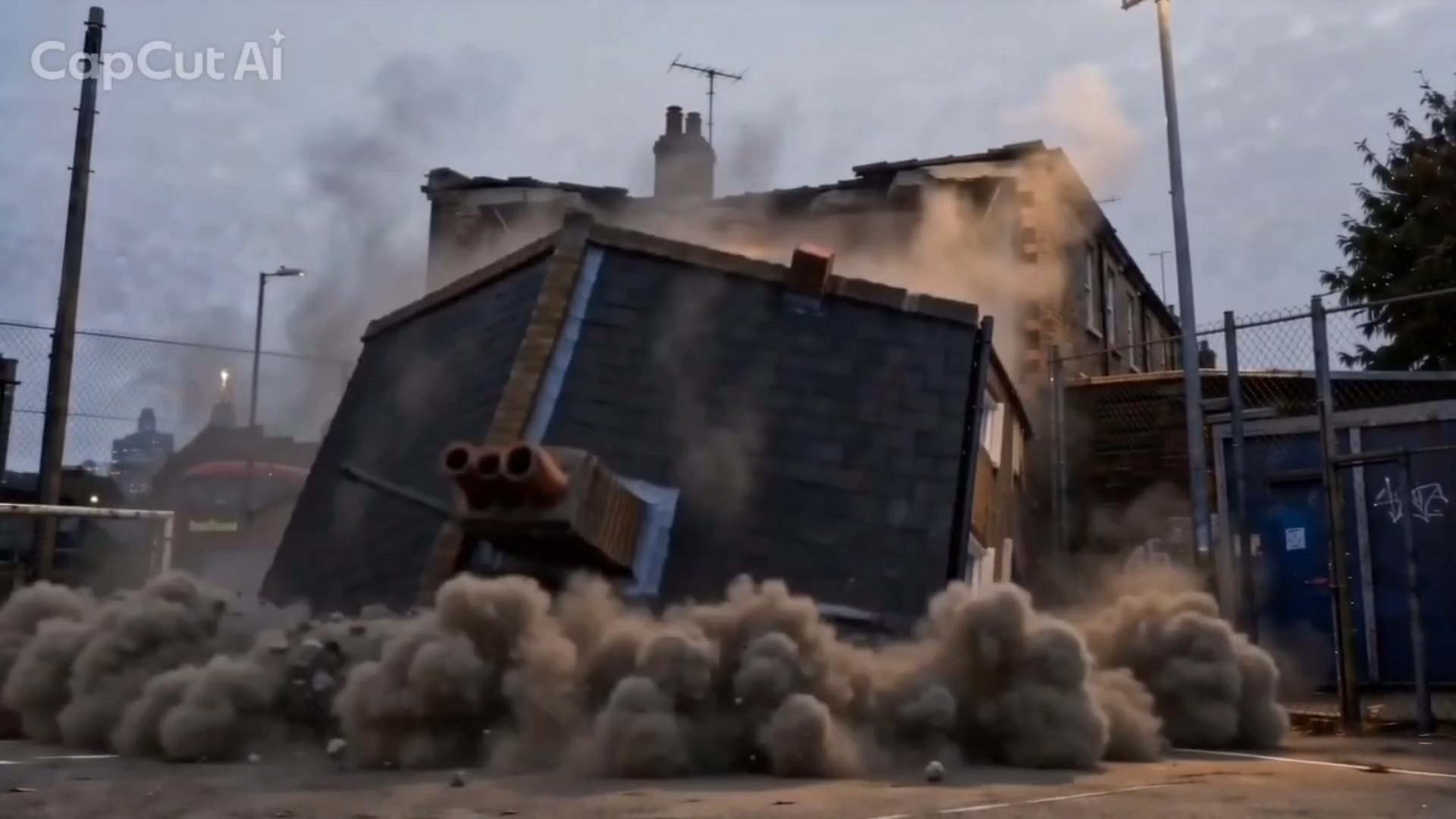
Extension of the football freestyle scene, continuing from the last 3 seconds of Video 1. The adult English male (Image 1) turns and kicks the ball with ferocious intensity towards the graffiti mural wall from Image 4. The ball smashes through the red bricks, creating a giant hole that causes the roof to cave in and the side wall to collapse. Through the wreckage, we see a cross-section of the house: on the second floor, a family sits on a sofa watching football on TV; on the first floor, a woman is in the kitchen washing dishes. Maintain consistent character appearance (England jersey #10), ball (Image 3), and court setting. Style: Cinematic destruction, realistic physics, dramatic debris and dust, gritty urban atmosphere. Audio: Loud impact crash, crumbling masonry, muffled TV sounds, and continuing London hip hop beat.
7
Video 3 — Family Reaction & Plate Throw
The comedy payoff
1
Same extension technique, but now the characters the model invented in Video 2 get direction: the family rushes to the broken wall to scream, mum weaponises the washing-up.
2
Give the audio a full sentence. Shouting, the plate shatter and the continuing hip hop beat are all in the prompt — sound continuity is half of what makes three clips feel like one film.
📋 Video 3 — Family Reaction & Plate Throw
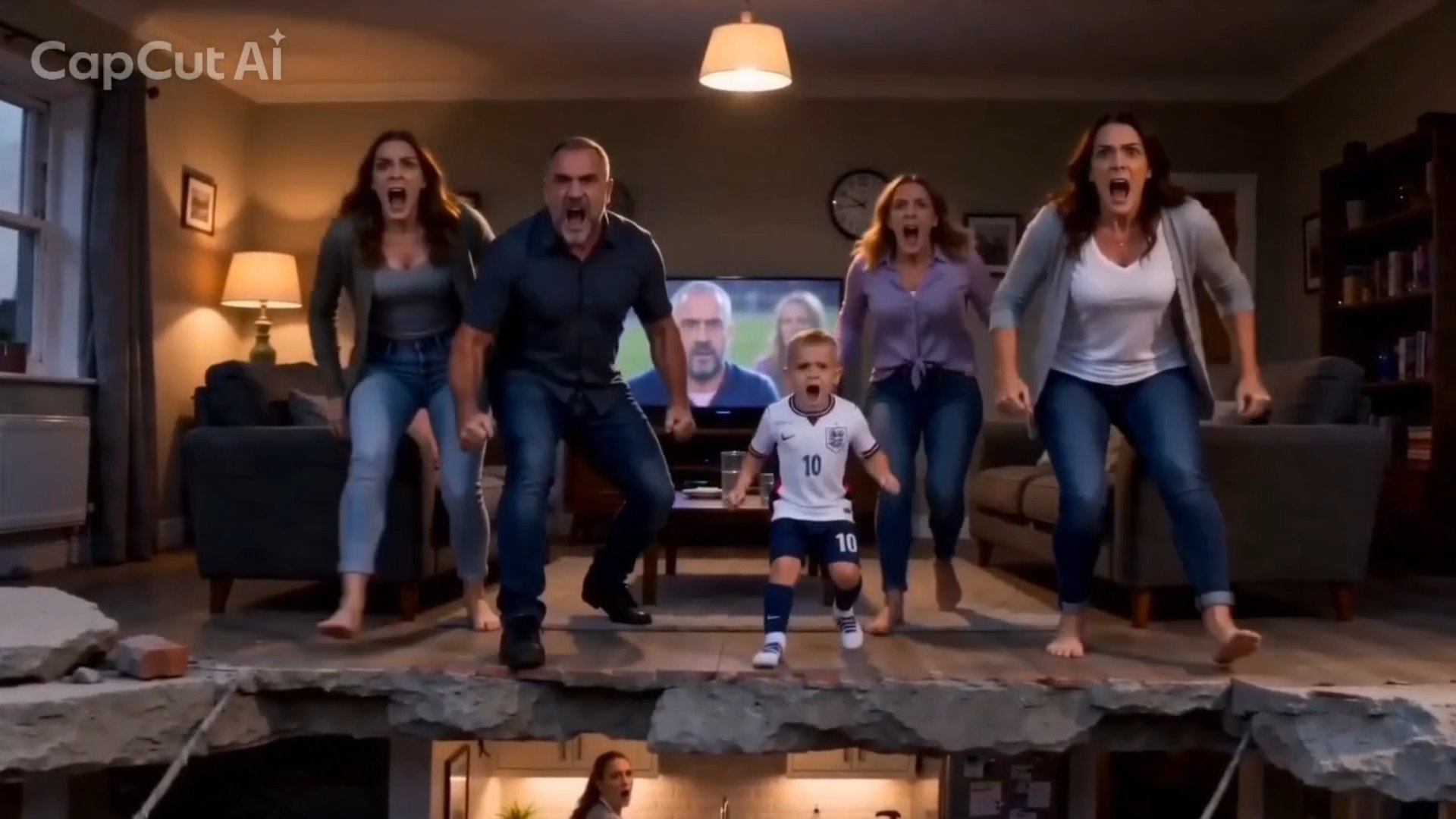
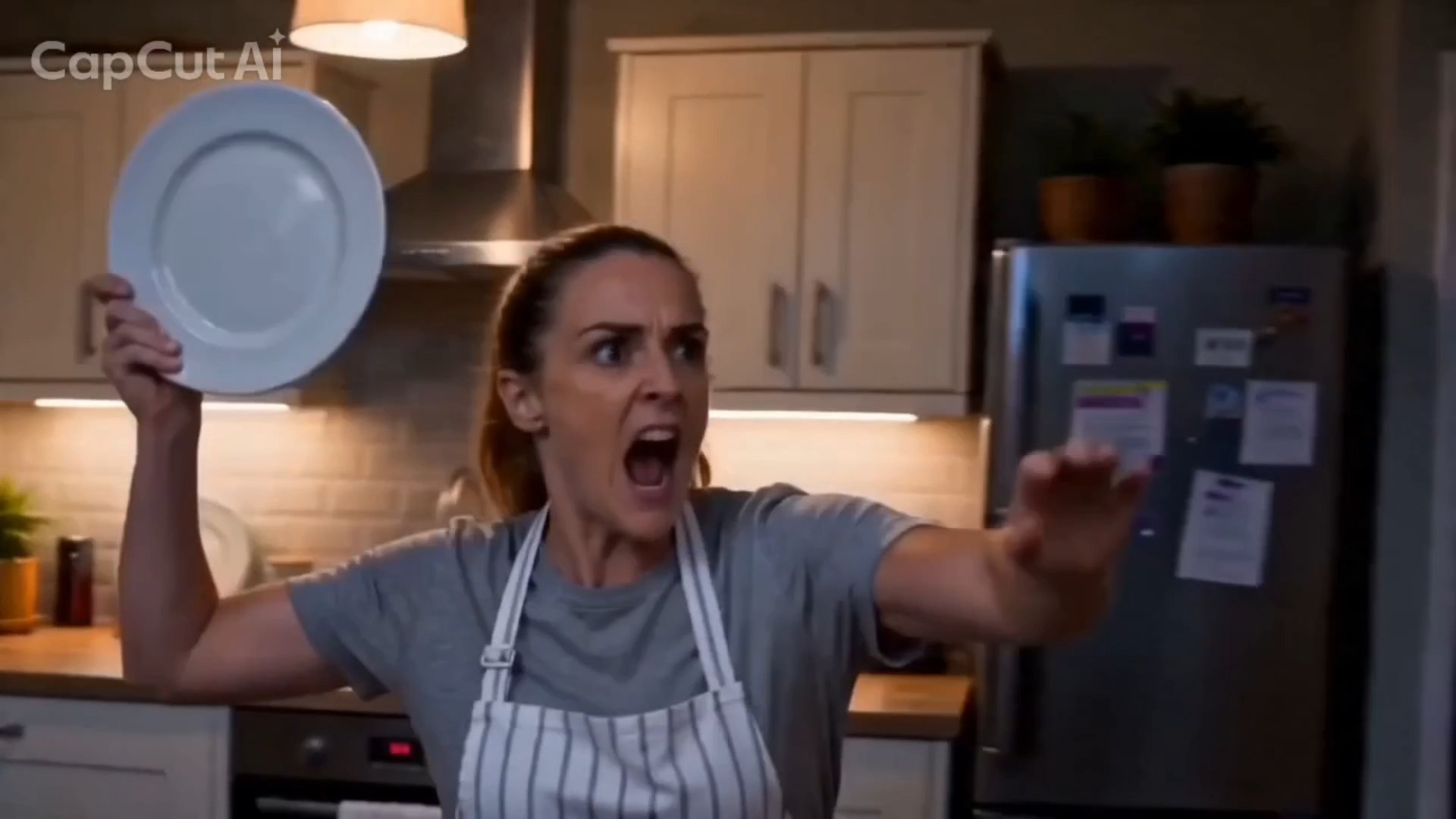
Extension of the previous scene, continuing from the aftermath of the wall collapse in Video 2. On the second floor, the family members jump up from the sofa in shock and rush to the edge of the broken wall, leaning out and shouting down angrily at the man (Image 1) below. Downstairs in the kitchen, the woman turns around from the sink, still holding a ceramic plate; she runs to the opening where the wall fell and throws the plate directly at the man in the England jersey. The man remains in the court, looking up at them in surprise. Maintain consistent character (Image 1), house interior, and court setting (Image 4). Style: Cinematic, high emotion, realistic body mechanics, urban street vibe. Audio: Angry shouting, the sound of a ceramic plate being thrown and shattering, and the London hip hop beat continuing.
💡
Pro tip: Keep the man's reaction understated — "looking up at them in surprise". The family plays it big, he plays it small. Comedy contrast is a directing choice, and it goes in the prompt.
✓
The Finished Sequence
Twelve frames from the three videos
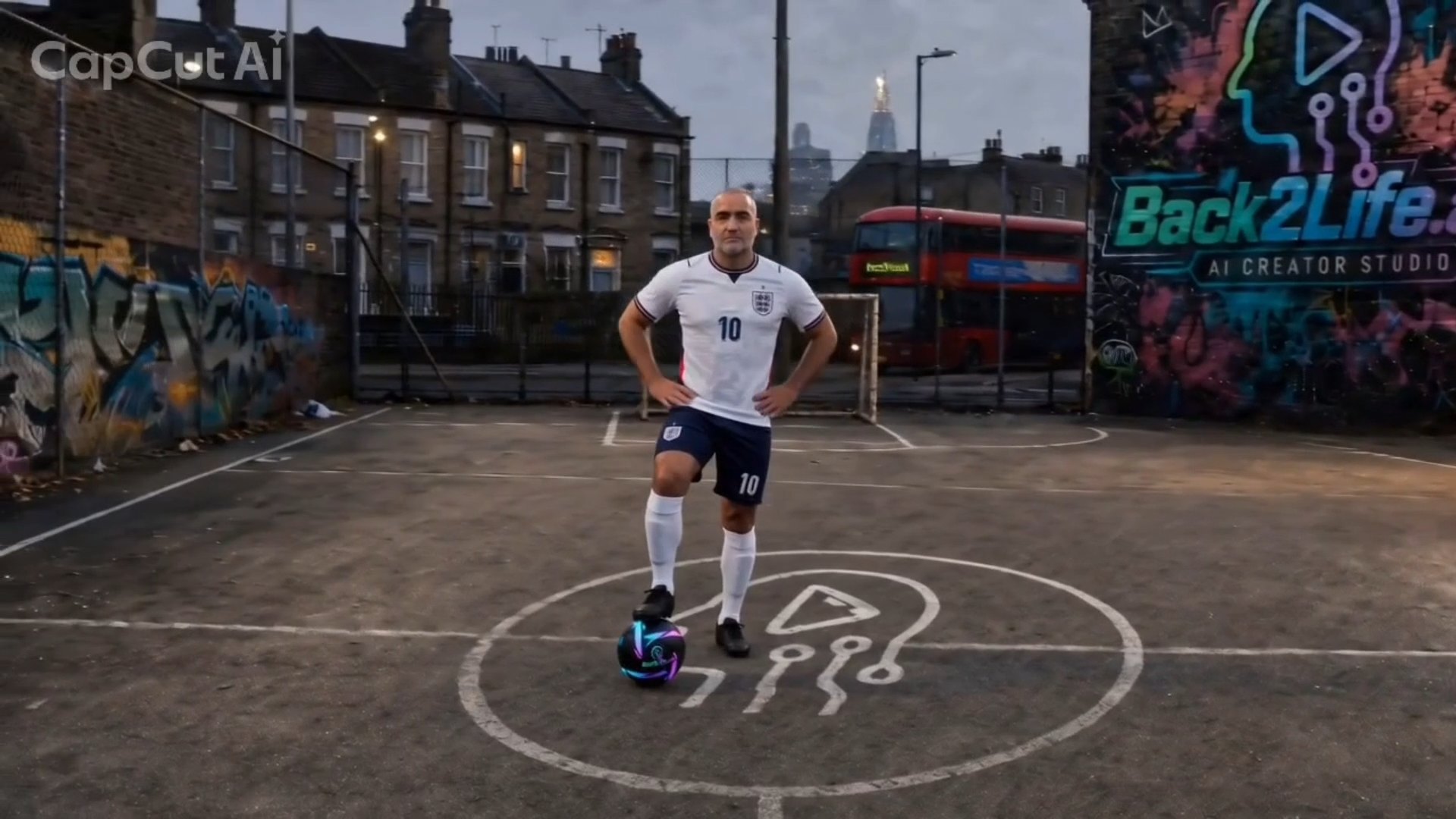
VIDEO 1 · 0:00
Opening Stance
Full-body framing locked from frame one — Ash on the centre-circle logo, ball under foot, court and mural established.
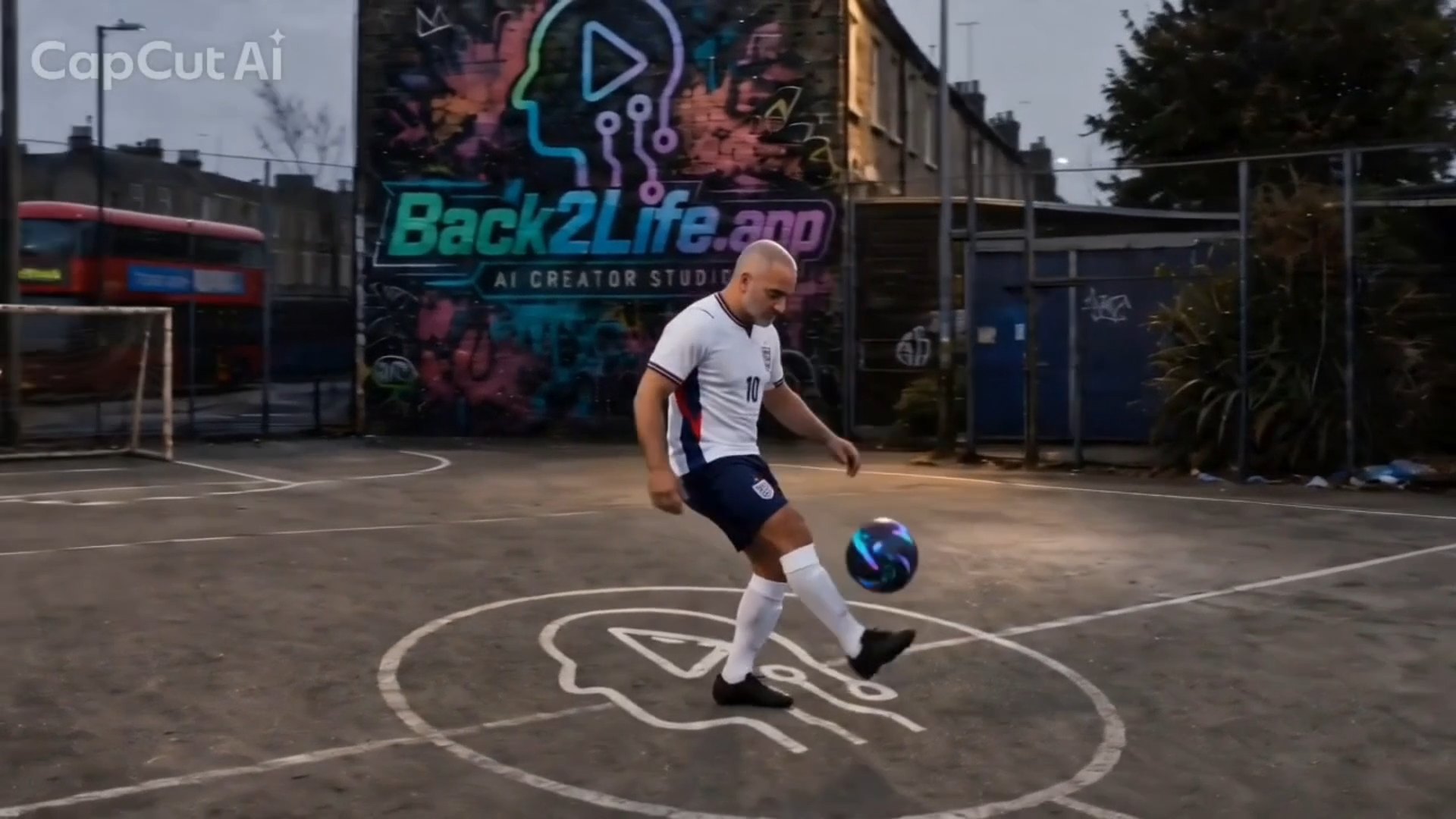
VIDEO 1 · 0:03
The Combo Flows
Counts 5–8 in front of the Back2Life mural — juggles and stalls chained as one continuous freestyle run.
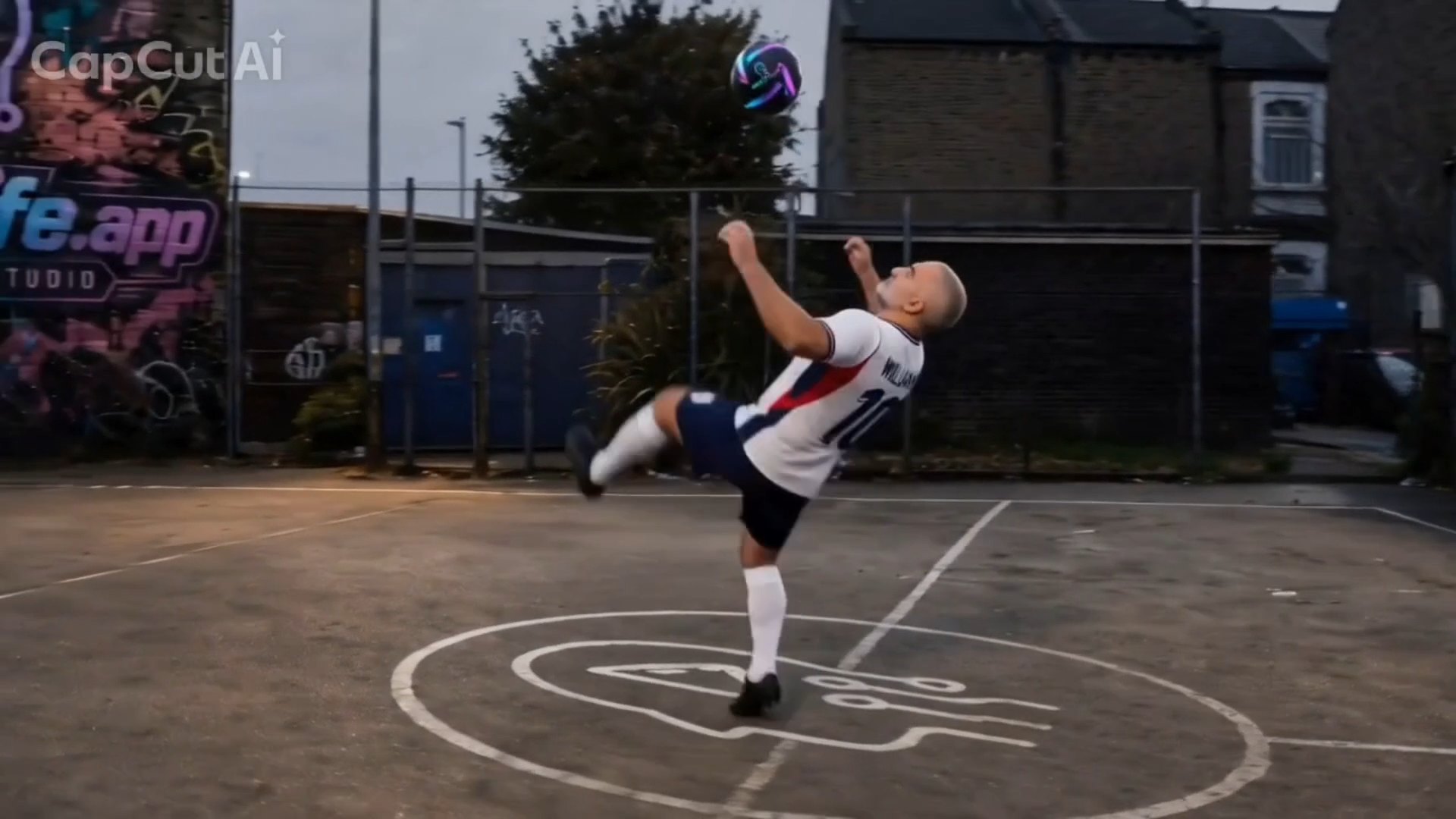
VIDEO 1 · 0:07
Around The World
The camera tracks the big moves without ever cropping the body — the framing rules in the prompt doing their job.
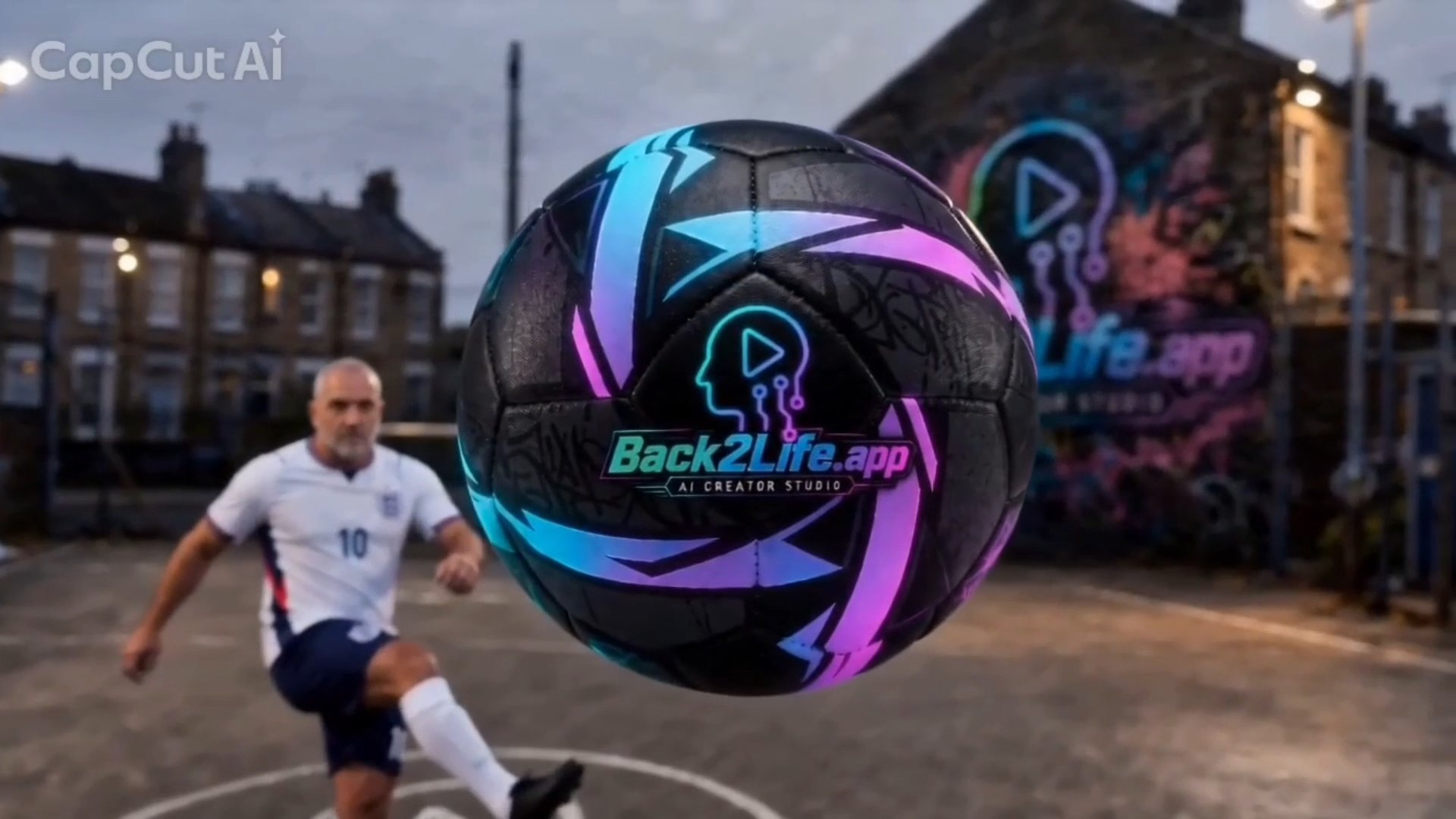
VIDEO 1 · 0:09
The Ball Hero Shot
The custom branded ball from the reference image stays consistent through every touch — reference-lock in action.
VIDEO 2 · 0:02
Wall Smash
Video 2 extends the scene: the ball rips a hole clean through the graffiti mural and the bricks erupt.
VIDEO 2 · 0:05
The House Gives Way
The roof caves and the whole gable end tips into the court — cinematic destruction physics from one sentence.
VIDEO 2 · 0:07
Full Collapse
Debris, dust plumes and falling masonry — Seedance handles the chaos while keeping the court geography intact.
VIDEO 2 · 0:09
Interior Reveal
The payoff: a doll's-house cross-section — family watching the football upstairs, mum washing dishes below.
VIDEO 3 · 0:02
The Family Erupts
Video 3 continues the story — the whole family jumps off the sofa screaming at the freestyler below.
VIDEO 3 · 0:05
The Plate Throw
Mum spins from the sink and launches a ceramic plate straight at the man in the England shirt.
VIDEO 3 · 0:08
Impact POV
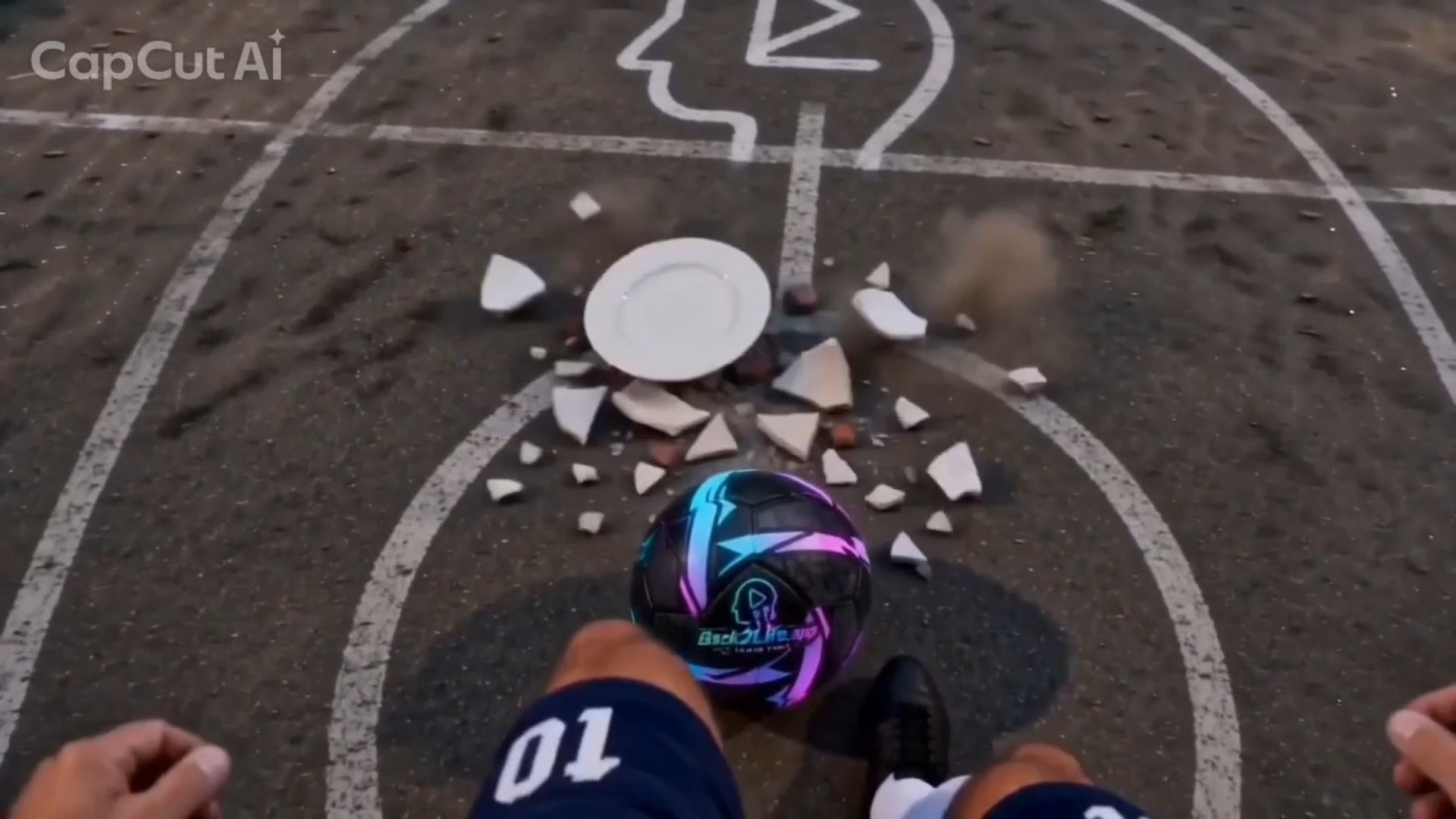
First-person shot of the plate shattering at his feet next to the ball — a camera angle the prompt never asked for, gifted by the model.
VIDEO 3 · 0:10
The Stare-Down
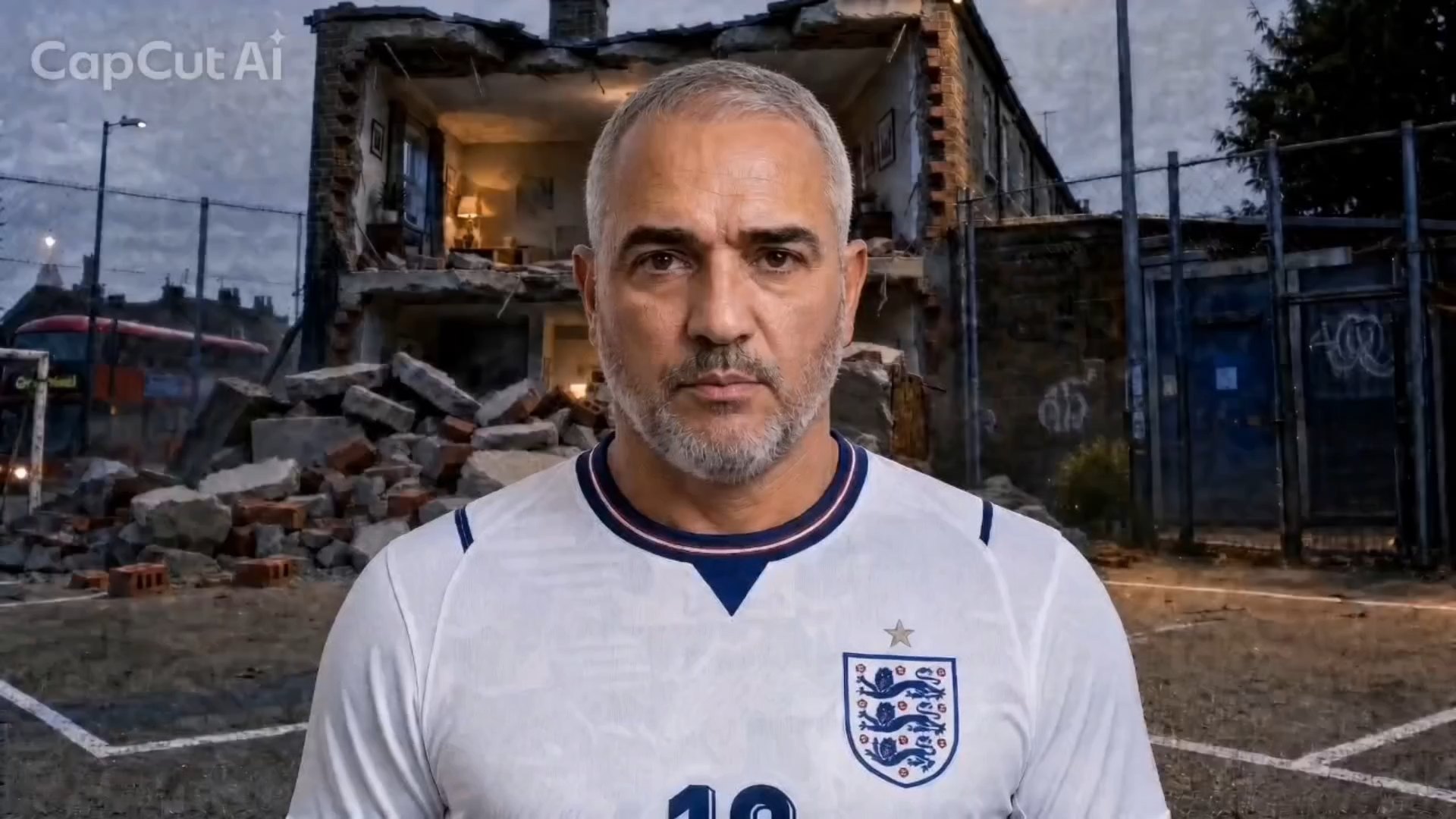
Final beat: dead-eye close-up with the wrecked house behind — the comedy button on the whole sequence.
Share Your Creation
Generated your version? Tag us — we repost the best results across all our channels.
 Home
Home
 Tutorials
 Free Tools
 Watermark Tool
 Video Splitter
 Frame Extractor
 Audio Editor
 Audio Converter
 Reframe Tool
 Batch Video Flipper
AI Studio
Motion Control
Batch Video Flipper
AI Studio
Motion Control